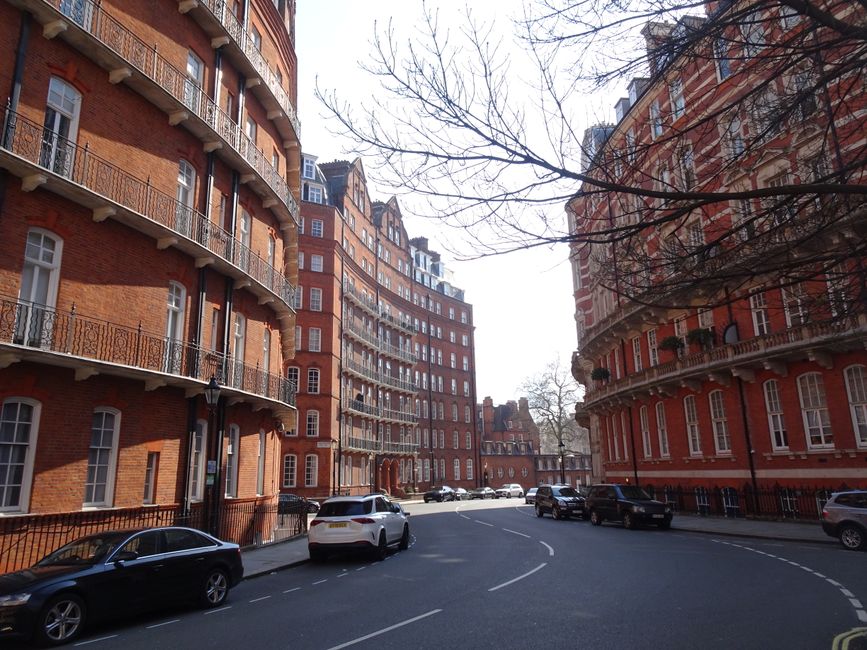
SW1X Upholstery Cleaning Specialists for Belgravia Flats
Belgravia flats have a certain standard about them. The fabrics are finer, the furniture is often bespoke, and the rooms are lived in, not staged. So when a sofa starts to look tired, or a dining chair picks up a shadowy mark that will not budge, you need more than a quick surface wipe. You need SW1X upholstery cleaning specialists for Belgravia flats who understand delicate fibres, apartment access, and the kind of finish that still looks elegant the next morning.
This guide explains what professional upholstery cleaning involves, why it matters in SW1X, how the process works, what to expect from a specialist visit, and how to avoid the common mistakes that lead to shrinkage, water marks, or dull fabrics. If you are deciding between a one-off refresh and a deeper clean, or simply want to protect a valuable piece of furniture, you are in the right place.
Why SW1X upholstery cleaning specialists for Belgravia flats Matters
Upholstery in Belgravia flats tends to work hard in quiet ways. A compact sofa may be used daily, a velvet headboard may collect dust faster than you think, and an occasional chair can pick up everything from perfume overspray to coffee drips. In a smaller apartment, fabrics often sit close to windows, radiators, and cooking areas, which means grime settles in subtly. You do not always notice it at first. Then one day the room feels a bit flat, a bit grey. Not dramatic, just... off.
That is where a specialist makes a difference. Professional upholstery cleaners are not just removing visible marks; they are assessing fibre type, dye stability, construction, and drying risk before choosing a method. That matters in SW1X because many Belgravia flats include high-end furnishing, mixed-material seating, and pieces that cannot easily be replaced. A rushed clean can do more harm than the original stain.
It is also a matter of presentation and comfort. Clean upholstery changes how a room feels under natural light, especially in elegant London interiors where texture matters. A refreshed armchair can make the whole sitting room look better, even if nothing else has changed. Sounds a bit too simple? Maybe. But in practice it is true.
If your home needs broader care rather than a single item clean, it can help to pair upholstery work with deep cleaning or, in homes with pets and traffic-heavy carpets, professional carpet cleaning. And if the issue is mainly seating rather than a whole room reset, a dedicated sofa cleaning service is often the most practical route.
How SW1X upholstery cleaning specialists for Belgravia flats Works
A proper upholstery clean begins with inspection, not shampoo. The cleaner should identify the fabric type, check the label where available, and test a discreet area for colour fastness. This is especially important for natural fibres, textured weaves, and older furniture that may have already faded unevenly. In a Belgravia flat, where items are often selected for looks as much as durability, that first step is non-negotiable.
From there, the method is selected based on the textile and the level of soiling. Common approaches include hot water extraction for suitable fabrics, low-moisture cleaning for more delicate items, and targeted stain treatment for isolated marks. Some pieces need careful handwork around seams, piping, buttons, or decorative trims. Others can cope with more direct treatment. There is no single magic answer, and to be fair, anyone who tells you there is one is probably overpromising.
Specialists also think about the flat itself. Access can be tighter in mansion blocks and converted properties. Parking, lift use, hallway protection, and drying ventilation all affect the visit. A good cleaner plans around those conditions so the process is tidy rather than disruptive. That is one of the quiet advantages of working with a local team that knows the area.
For families or tenants who need broader domestic support, upholstery care often sits alongside domestic cleaning or a scheduled regular cleaning plan. If the property is being prepared for guests, turnover timing may align better with Airbnb cleaning or end-of-tenancy cleaning.
Key Benefits and Practical Advantages
The value of expert upholstery cleaning is not just cosmetic. Yes, the room looks fresher. But there is more going on beneath the surface.
- Better fabric care: specialist methods reduce the chance of over-wetting, abrasion, or dye bleed.
- Longer furniture life: regular maintenance can help prevent embedded dirt from wearing down fibres.
- Improved comfort: seating feels cleaner, smells fresher, and looks more inviting.
- Odour reduction: cooking smells, pet odours, and general living-room buildup can be reduced with the right treatment.
- More presentable interiors: particularly useful in flats used for entertaining, rentals, or short stays.
- Better stain management: stains treated early are often easier to remove than old, set-in marks.
There is also a small but important benefit for mental ease. A room feels calmer when the sofa, cushions, and chairs are not quietly nagging at you. That is not a technical claim, just a very real one. People often say they stopped noticing the furniture until after it was cleaned, and then suddenly the whole flat felt lighter.
If upholstery damage is linked to a bigger issue, such as pet accidents or spill-prone seating, a targeted pet stain and odour removal service or broader stain removal treatment can make the difference between a temporary fix and a proper reset.
Who This Is For and When It Makes Sense
This service is a strong fit for Belgravia flat owners, tenants, landlords, and property managers who want upholstery to look cared for without replacing it. It is also useful for anyone living with a mix of older and newer furnishings, because those combinations often age at different speeds.
Here are the most common situations where specialist cleaning makes sense:
- After everyday wear: when a sofa begins to look dull or has a faint grey cast from dust and body oils.
- Before guests or viewings: if you want the flat to feel polished, not just tidy.
- Before or after a tenancy change: especially where furniture is included in the let.
- After a spill: coffee, wine, makeup, food, and pet accidents all behave differently.
- For allergy-aware households: dust and debris can settle deep into fibres, though results vary by fabric and cleaning method.
- To protect investment pieces: quality chairs, designer sofas, and antique items deserve a gentler approach.
Sometimes the need is obvious. Other times it is less so. A client might call because one cushion smells musty after a rainy week with windows closed. Another might just want the flat to feel more composed for a new tenant. Different reason, same outcome: the upholstery needs attention.
And if the furniture is part of a wider property refresh, it may be sensible to combine it with move-in cleaning, move-out cleaning, or even one-off cleaning for a full reset.
Step-by-Step Guidance
If you have never booked upholstery cleaning before, the process is fairly straightforward. The trick is knowing what good looks like.
1. Identify the pieces that need attention
Start with the obvious items: sofa seats, armrests, accent chairs, dining chairs, headboards, ottomans, and cushions. Check for the usual suspects - spills, body oils, pet hair, food marks, and odours. Make a quick note of fabric type if you can find it. If not, no panic. A specialist can inspect it.
2. Ask for a method suited to the fabric
Velvet, linen, wool blends, synthetics, and leather-look materials do not all respond the same way. The cleaner should explain what method they plan to use and why. If the answer sounds vague, keep asking. You do not need a lecture, just a clear explanation. In our experience, that one conversation often tells you more about the service than the website ever could.
3. Prepare the flat
Clear small items from around the furniture, move fragile accessories out of the way, and make sure the cleaner has access to sockets and water if needed. In a Belgravia flat, access can be neat but tight, so a few minutes of preparation saves time.
4. Expect pre-treatment
Most stains need targeted treatment before the full clean. This is where a good specialist earns their keep. Pre-treatment helps lift embedded marks instead of just spreading them around. Not every mark will vanish, and honest cleaners should say so. That honesty is worth a lot.
5. Allow proper drying time
Drying time depends on fabric, weather, airflow, and cleaning method. Low-moisture methods dry faster, but even then, the room should be ventilated carefully. Do not sit on the upholstery too soon. Tempting, yes. Wise, no.
6. Finish with inspection
Once dry, check for any residual marks, shading, or texture changes. Good cleaners should talk you through what has improved and what may still need a second treatment later. Some older stains are stubborn. That is just the truth.
Expert Tips for Better Results
If you want better outcomes from upholstery cleaning, a few simple habits go a long way.
- Vacuum upholstery regularly using a soft brush attachment to reduce grit build-up.
- Treat spills early by blotting gently, not scrubbing. Scrubbing often pushes the stain deeper.
- Rotate cushions so wear is spread more evenly.
- Keep furniture out of harsh direct sun where possible, because fading can make cleaning results look uneven.
- Use throws with care; some trap heat and moisture if left on for long periods.
- Ask about fabric-specific aftercare so you know when to use the furniture again.
One slightly old-fashioned but useful tip: keep a tiny record of the date, method, and stain issues after each clean. Nothing fancy. A note on your phone will do. If you need follow-up work later, that record helps a lot.
For furniture that sits in busy shared spaces, like a lounge used by multiple residents or a reception seating area, it may be worth thinking beyond the upholstery itself and into adjacent services such as communal area cleaning or office cleaning where relevant.
Common Mistakes to Avoid
Most upholstery problems are not caused by dirt alone. They are caused by the wrong reaction to dirt.
- Using too much water: it can leave rings, damage padding, or cause long drying times.
- Rubbing stains aggressively: this often distorts the pile or spreads the mark.
- Skipping a fabric test: a small hidden spot can save a very expensive mistake.
- Assuming all upholstery is the same: a synthetic dining chair and a wool-blend sofa are not cousins in practice.
- Cleaning without proper airflow: stagnant rooms slow drying and can leave a damp smell.
- Choosing only on price: cheap can become costly if the fabric is mishandled.
Another common one: expecting a deep stain to disappear in one pass. Sometimes it does. Sometimes it lightens and then needs a second treatment later. That is not failure; it is honest restoration. To be fair, the cleaners who promise perfection on every mark are usually the ones you should watch carefully.
Tools, Resources and Recommendations
The best upholstery specialists bring the right equipment, but the home environment matters too. In a flat, even small adjustments help the job go better.
| Item or approach | Why it helps | Good for |
|---|---|---|
| Soft brush vacuum attachment | Removes dry soil without roughing up fibres | Routine upkeep before a specialist visit |
| Microfibre cloth | Useful for gentle blotting, not scrubbing | Fresh spills and light surface moisture |
| Low-moisture cleaning equipment | Reduces drying time in apartment settings | Delicate or traffic-worn upholstery |
| Spot treatment solutions | Targets specific stains before the main clean | Food, drink, pet, and makeup marks |
| Airflow and ventilation | Supports faster, safer drying | Any flat after wet or damp cleaning |
If you are comparing services, it can help to review upholstery cleaning options alongside related services like curtain cleaning or rug cleaning. Fabrics in the same room often age together, and cleaning them together can create a more balanced finish.
For landlords and owners who manage multiple properties, it is also worth checking pricing and quotes carefully so you understand what is included before anything starts.
Law, Compliance, Standards, or Best Practice
Upholstery cleaning is not heavily regulated in the way some trades are, but professional standards still matter. In practical terms, that means a cleaner should work safely, use suitable products, and avoid reckless treatment of your furniture or property.
For householders, the key concerns are usually safety, insurance, and care of the fabric. A professional provider should be able to explain its approach to equipment handling, chemical use, and accident prevention in plain English. If a company is vague about liability, that is a red flag. Not always a deal-breaker, but definitely worth pausing over.
It is sensible to look for clear policy information on health and safety, insurance and safety, and terms and conditions. These pages do not clean a sofa for you, obviously, but they do tell you how seriously the business treats risk and customer care.
Data handling matters too, particularly when booking online or requesting a quote. A transparent privacy policy and secure payment and security information are reassuring signs. If sustainability is important to you, you may also want to read about recycling and sustainability practices.
Options, Methods, or Comparison Table
Not every piece of upholstery needs the same kind of treatment. Here is a simple comparison to help you think it through.
| Method | Best for | Strengths | Watch-outs |
|---|---|---|---|
| Hot water extraction | Durable fabrics with general soiling | Deep cleaning, good for embedded dirt | Can over-wet delicate materials if misused |
| Low-moisture cleaning | Flats where drying speed matters | Faster turnaround, reduced saturation | May need more targeted stain work |
| Hand spotting and detailing | Buttons, piping, seams, trims, and small stains | Precise, fabric-sensitive | Slower on heavily soiled items |
| Protective fabric treatment | Recently cleaned or frequently used furniture | Helps repel future marks for a time | Not a substitute for regular care |
If the furniture is especially valuable, a cautious low-moisture approach is often the sensible first step. If the upholstery is durable and heavily used, deeper extraction may give a better reset. The right answer depends on the item, not the label on the bottle.
Case Study or Real-World Example
A fairly typical Belgravia scenario goes like this: a two-bedroom flat has a pale upholstered sofa, two dining chairs, and a fabric headboard. The sofa has a faint coffee mark on one arm, the dining chairs show darkening where hands rest, and the headboard has accumulated a light layer of dust and skin oils over time. Nothing dramatic. Just enough to make the room feel less crisp.
A specialist visit begins with inspection and a fabric test. The sofa is treated with a light pre-spray, the chairs receive targeted spot work on the high-contact areas, and the headboard is cleaned with minimal moisture to avoid residue near the bed frame. The whole job is planned around apartment access and drying time so the flat can be used again the same day as far as practical.
What changed? The room looked brighter, the sofa looked less grey, and the dining area felt more polished under the daylight coming through the window. Not brand-new, which would be unrealistic. Better. Much better. And importantly, the furniture still felt like itself.
That kind of outcome is usually the goal. Not a showroom transformation. Just a thoughtful, careful restoration that suits the property.
Practical Checklist
Use this quick checklist before booking a specialist clean for your Belgravia flat:
- Identify which items need cleaning: sofa, chairs, headboard, cushions, ottoman, or armchair.
- Check for fabric labels or any manufacturer care notes.
- Note all stains, smells, pet issues, or areas of heavy wear.
- Ask what cleaning method will be used and whether a test spot is included.
- Confirm whether drying time fits your schedule.
- Make sure access, parking, and entry instructions are clear.
- Ask about insurance, safety, and aftercare guidance.
- Consider pairing the visit with carpet, rug, or curtain care if the room needs a fuller refresh.
- Prepare the area by moving small accessories and fragile items.
- Keep notes on the clean date and any follow-up advice.
If your flat needs more than one touchpoint, it may be worth combining upholstery care with steam carpet cleaning, hard floor cleaning, or even window cleaning if you are aiming for a full-room lift.
Conclusion
Choosing SW1X upholstery cleaning specialists for Belgravia flats is really about protecting the character of your home. Good upholstery care is careful, measured, and tailored to the fabric in front of you. It respects the flat, the furniture, and your time. That is what makes the difference between a quick tidy-up and a result you can actually live with.
Whether you are refreshing a favourite sofa, preparing a property for guests, or trying to bring life back to a pair of well-used chairs, the smartest approach is usually the simplest one: inspect properly, clean gently, dry fully, and do not rush the process. A calm, methodical service will almost always beat an aggressive one.
Get a free quote today and see how much you can save.
And if you are still weighing up your options, that is perfectly fine. A good upholstery clean should feel like a relief, not a gamble. When it is done well, the room just settles. Quietly, comfortably, back to itself.
Frequently Asked Questions
How often should upholstery be professionally cleaned in a Belgravia flat?
It depends on usage, fabric type, and whether you have children, pets, or frequent guests. Many homeowners choose a clean once or twice a year for regularly used pieces, but high-traffic seating may need attention sooner.
Can all upholstery fabrics be cleaned the same way?
No. Velvet, wool blends, synthetics, linen, and mixed fabrics all behave differently. A specialist should inspect the item first and choose a suitable method rather than using a one-size-fits-all process.
Will upholstery cleaning remove every stain?
Not always. Fresh stains are usually easier than old ones, and some marks have already altered the fibre or dye. A good cleaner will aim for the best safe result and explain any limits honestly.
How long does upholstery take to dry?
Drying time varies based on the method used, the room temperature, airflow, and fabric thickness. Low-moisture methods dry faster, while deeper cleaning can take longer. Good ventilation helps a lot.
Is it safe to clean antique or expensive furniture?
It can be, provided the cleaner uses caution, tests first, and understands delicate materials. Antique pieces and designer upholstery deserve a slower, more conservative approach.
What should I do before the cleaners arrive?
Move small decorative items, clear access to the furniture, and note any specific stains or concerns. If possible, keep pets out of the room and make sure the cleaner can reach water and power if needed.
Are upholstery cleaning and sofa cleaning the same thing?
Sofa cleaning is a type of upholstery cleaning. Upholstery cleaning covers a wider range of items such as chairs, headboards, footstools, and other fabric-covered furnishings.
Can upholstery cleaning help with smells as well as stains?
Yes, it often can. Odours from pets, food, smoke, or general use may be reduced significantly, though the outcome depends on how deeply the smell has settled into the fabric or padding.
Is professional upholstery cleaning worth it for rental flats?
Usually, yes. It can improve presentation for viewings, support end-of-tenancy standards, and help furniture last longer. For furnished rentals, that can be a sensible investment.
What if my flat has limited access or tight hallways?
That is very common in London properties. A local specialist should be able to plan around access, protect communal areas, and choose equipment that suits apartment work.
Can upholstery cleaning be combined with other services?
Absolutely. It often makes sense to combine it with carpet, rug, curtain, or deep cleaning if you want a more even result across the room or the whole flat.
How do I know if a cleaner is trustworthy?
Look for clear service explanations, straightforward pricing, safety information, and sensible aftercare advice. A trustworthy provider should be happy to explain what they will do and what to expect.